Building a Home Worthy of Our Logging Heritage
The Moosehead Historical Society is building a new Lumbermen’s Museum. We know this may come as a surprise to some of you, and we want to explain how it came together. After four decades in the Carriage House, we’ve reached the point where the collection and the story it tells deserve more than we can give them there.
For four decades the Lumbermen’s Museum has told the story of the industry that built this region. It has done that work out of the Carriage House — and we have pushed that building about as far as it will go. Space is tight. The collection is spread across two floors connected by steep stairs, making much of it difficult to access. The 30-foot Maynard bateau that is the centerpiece of the collection — a working vessel of the last log drives on Roach River — has never had a setting equal to what it is. That changes with this building.
This project has been in the making longer than it might appear. More than a year ago, Steve and Barbet Mason — lifelong residents of Greenville who have spent their lives in the logging industry — made a significant gift specifically to support the logging collections and exhibits at the heart of our museum. Their generosity gave us the foundation to start dreaming seriously about what a real museum facility might look like, and everything that followed grew from that.
Ed and Arlene Jewett are members of the Moosehead Historical Society who have been generous to this organization over the years. They love history — whenever they travel, visiting museums is part of the trip. They have a particular passion for the logging heritage of this region, and they believe that heritage deserves to be preserved and told well. Last summer, Ed and Arlene came to us asking if we had a project they could be part of — something meaningful. We did. When they looked at what the Moosehead Historical Society has been building — our collections, our research, our interpretive vision — they saw an organization that is serious about its work. They didn’t have to choose us. They did.
Ed began his career as a forester in Maine before founding Jewett Construction in New Hampshire in 1972. He built that company over fifty years into one of New England’s leading construction firms. This is not the first time Ed has put those skills to work for a cause he believes in — he spent years raising funds and building facilities for the Boy Scouts of America in New Hampshire, work he considers a direct predecessor to what he is doing here. When Ed and Arlene decided to make a transformative gift to the Society, they brought something more than financial support — they brought the expertise to get it built right. They are managing the construction themselves, selecting the contractors, and overseeing the project. The Jewetts are delivering a completed building — enclosed, heated, lighted, and with perimeter walls finished — by mid-November. Everything beyond that: exhibit fit-out, interior partitioning, landscaping, and parking, is the Society’s responsibility to fund and complete. The new facility will bear the Jewett family name, and we are deeply grateful.
Together the Masons and the Jewetts have given this project its foundation. One family built their lives in these woods. The other came to love this place and wants to leave something lasting here. That combination — local trust and outside investment — is in its own way a reflection of the story the museum tells.
The Jewett Family Building will rise on the Junction Campus on ground once occupied by a three-story stable that served the Moosehead Inn from the late 1890s through the 1910s. The horses kept there weren’t for pleasure. They were working animals used in the logging operations that built this region. That’s the ground where the new museum will stand. It will be a purpose-built post-and-beam structure — 30 by 90 feet — with an open exhibit hall occupying the front two-thirds, a full cathedral ceiling, and finally a setting worthy of the bateau. Visitors will be able to move around it and experience it from all sides, as the working vessel it was. The rear third houses a presentation room and proper bathroom on the ground floor, with dedicated archive storage above — giving the Society’s collections the conditions they have long needed. The new building will also be fully accessible — something the Carriage House, with its two floors and steep stairs, has never been.
The new building changes not just where we tell the logging story, but how. The open cathedral hall means the collection can be arranged as a single continuous narrative — from the tools of the logging camp through the river drive, culminating at the bateau. Visitors will move through the story rather than around it. The presentation room adds the ability to show documentary footage and oral histories in context — the voices of people who lived this work, alongside the tools they used. For the first time, we will also be able to properly welcome school groups, researchers, and travelers in ways our current space simply cannot accommodate. The exhibits will begin with what is in the Carriage House today, and grow from there as the new space allows us to do more.
Construction begins in May with site work and the foundation. The timber frame arrives and goes up later in the summer, with a goal of having the building enclosed, heated, lighted, and perimeter walls complete by mid-November. From there, exhibit fit-out, landscaping, and the parking area will be our work — and our opportunity to involve this community in completing what the Jewetts and Masons have made possible. We will be raising funds for those next phases and expect to have a clearer picture of what’s needed by mid-summer. There will be naming opportunities for those who want to be part of this, and a grand opening celebration planned for the summer of 2027.
We want to acknowledge something that matters to many of our members. The building site is currently occupied by the sunken garden that Rebecca Crafts called her Rock Garden — a feature of the campus that some of you know well and have enjoyed for years. We had previously been considering investing in that garden, and we know that appealed to people. This project changes that plan. The site has also carried persistent drainage problems — in a wet spring it was more pond than garden — and the construction will require removing all existing fill, bringing in new material, and properly addressing the drainage for the first time. The Rock Garden will give way to the new museum. In its place, we intend to put greater focus on expanding and improving the flower gardens around the Historical House. We think the campus will be more beautiful for it, and we look forward to showing you what that looks like.
We want to be straightforward with our members about what this means for the coming year. Construction next door will limit what we are able to do at the Junction Campus in 2026. We are working through those details now and will keep you informed as plans develop. We will spend this year thinking through what the Carriage House becomes next — whether program space, exhibit space, or something else. It has been our home for forty years, and it will continue to serve the Society well in its next chapter.
There are meaningful opportunities for others to be part of this — in the exhibits, the programming, the collections, and the long-term sustainability of the museum. If this story matters to you, we would welcome a conversation.
The logging industry didn’t just harvest this region. It built it. The Jewett Family Building will be the place where that story gets told the way it has always deserved to be told.
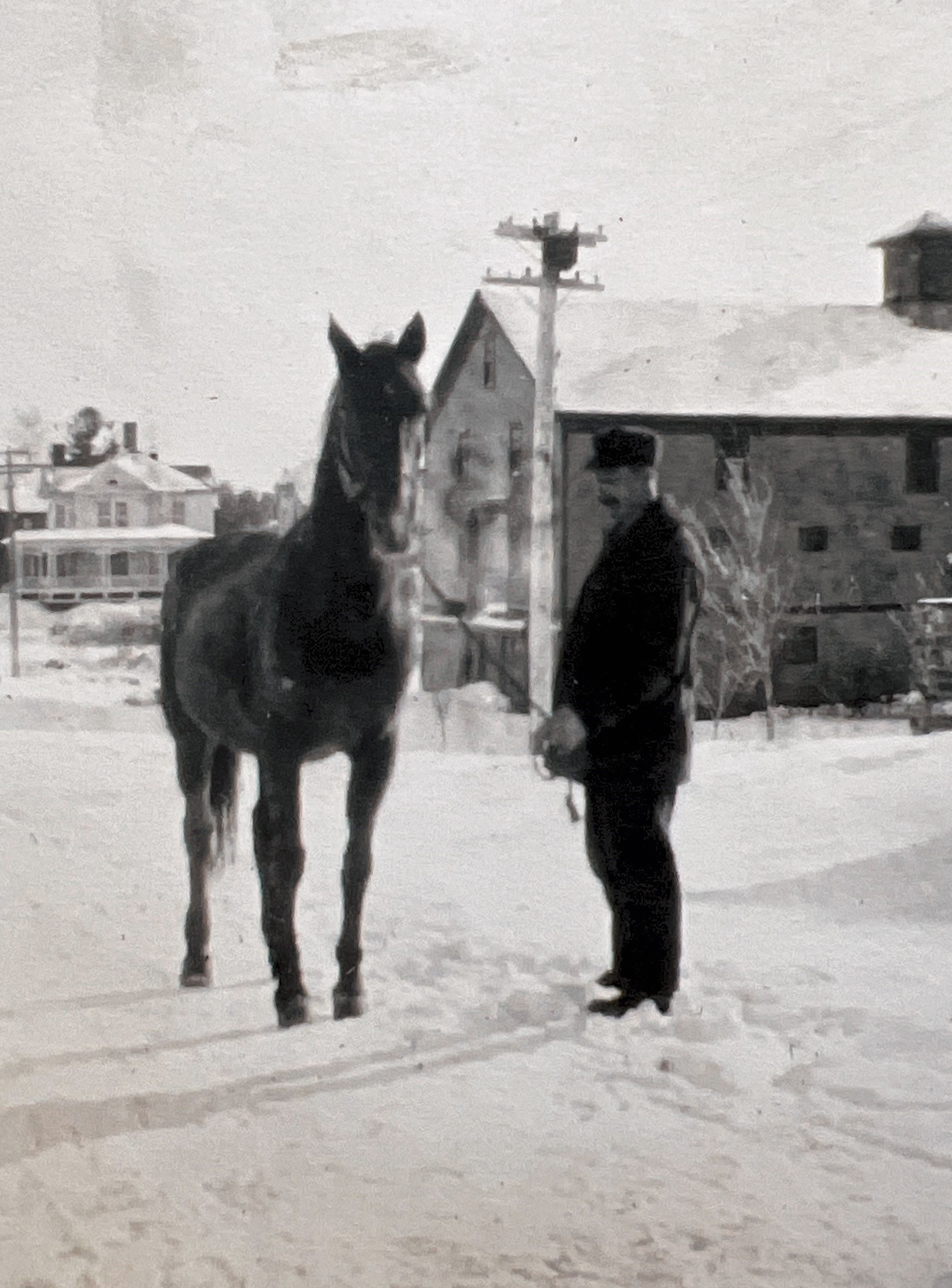
The three-story stable that served the Moosehead Inn, circa 1900, on the ground where the Jewett Family Building will rise this summer
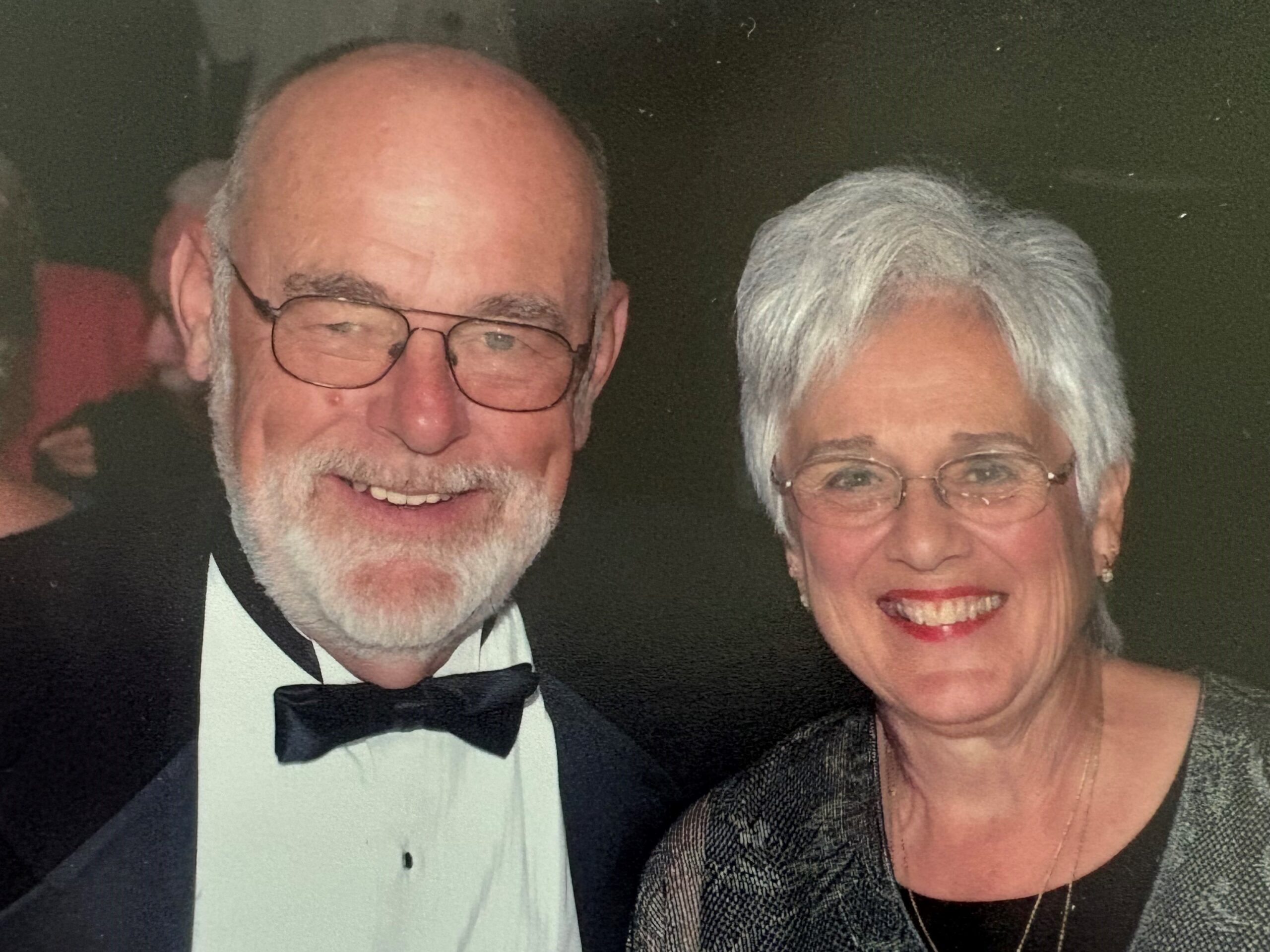
Ed and Arlene Jewett, whose transformative gift to the Moosehead Historical Society will make the Jewett Family Building possible.